Why Do We Need Sleep? How Rest Restores Us
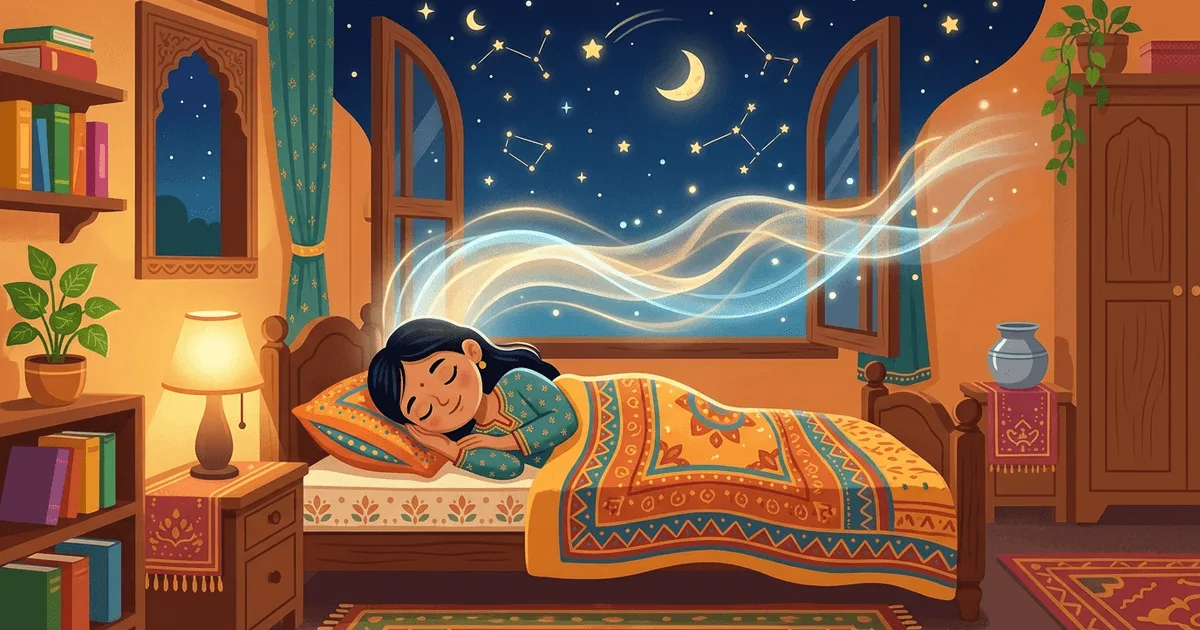
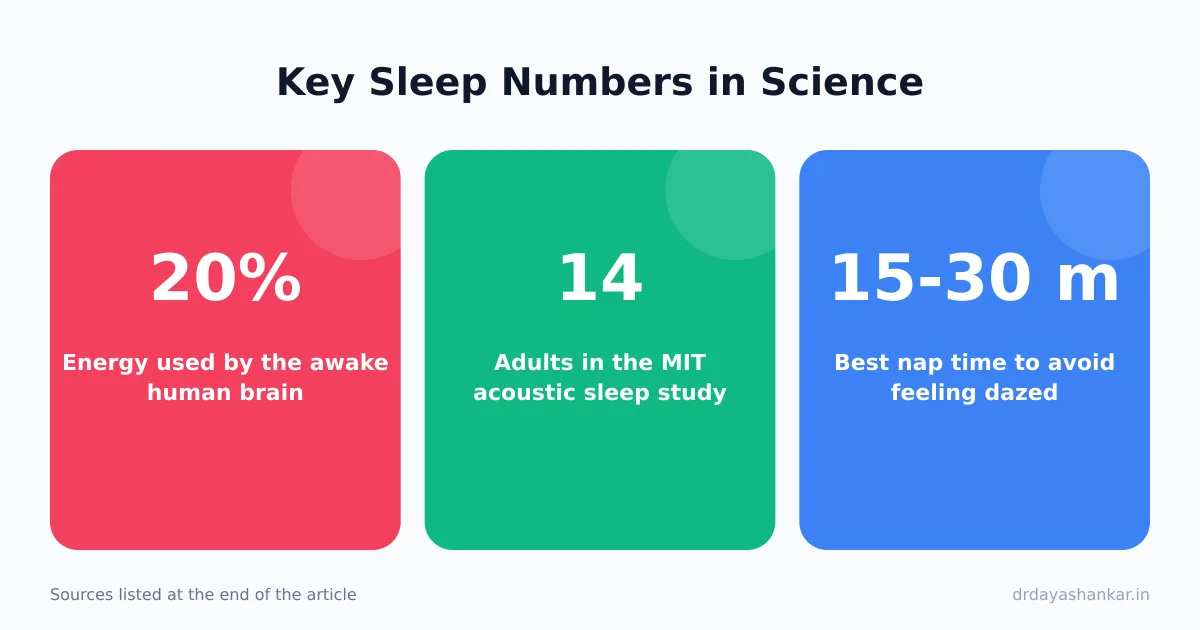
Have you ever tried to stay awake all night to study? Did you know your waking brain consumes twenty percent of your body energy 1? When you skip rest, bad things start quickly 2. You get irritable, and you forget simple facts 2. Missing sleep can even trigger pains in your back 2. In extreme cases, sleep deprivation has been used as torture 2. Why do humans and animals need sleep to survive 2? Sleep is not empty, lost time. It is an active tune-up that protects your body and mind 1. Why do we need sleep every night?
Think of it like this
Think of your body like a busy Indian railway station. All day long, passenger trains rush in and out. Thousands of people walk across the platforms. Chai stalls run at full steam. Nobody can scrub the floors during rush hours. Sleep is the quiet midnight break. The trains stop. The cleaning crew scrubs every hall. Workers repair the tracks. Without this pause, the station fails.
What happens inside our body when we fall asleep?
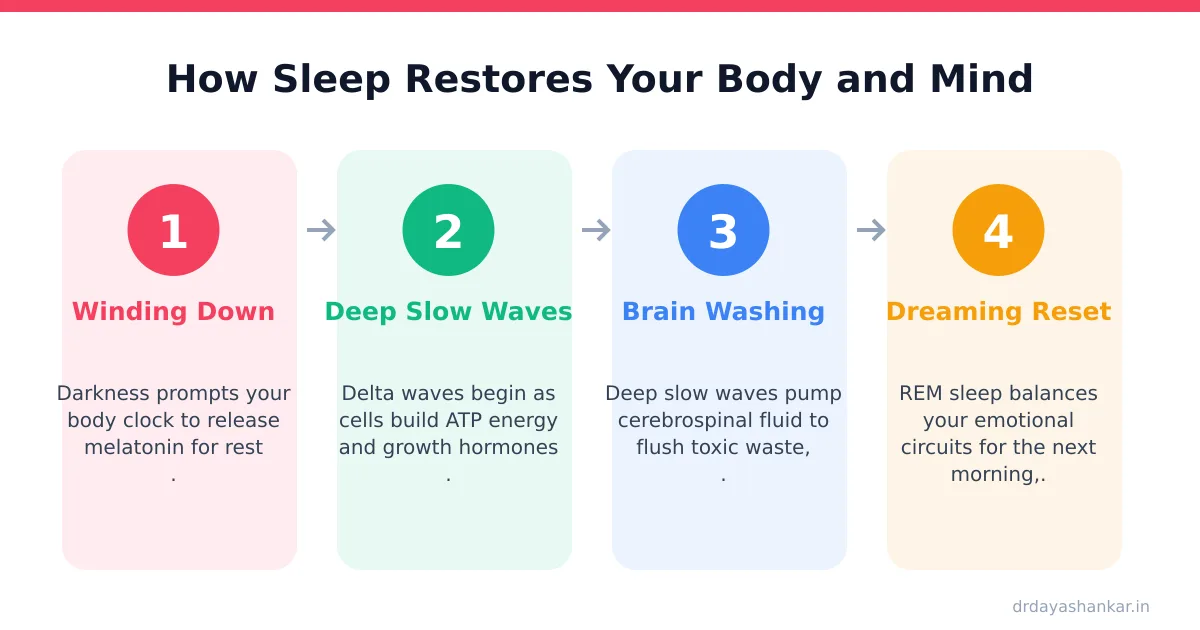
When you sleep, your body does not just turn off like a ceiling fan. Instead, it enters an active building state called an anabolic state 1. Your body works hard to rebuild its tissues 1. It restores your immune, nervous, skeletal, and muscular systems 1. Just as a car engine rests after travel (how car engine works science), your brain lowers its energy use 1. In resting areas, the brain restores its supply of adenosine triphosphate, or ATP 1. ATP is the molecule used to store and transport energy inside cells 1. During slow-wave sleep, your body releases quick bursts of growth hormone 1. It also balances hormones that regulate growth and appetite 2. All sleep brings the secretion of prolactin 1. You also switch between non-REM and rapid eye movement, or REM sleep 1. During REM sleep, your body experiences virtual paralysis 1. Sleep rebuilds vital tissues and refills energy packets in your cells.
How does sleep clean our brain and balance our mood?
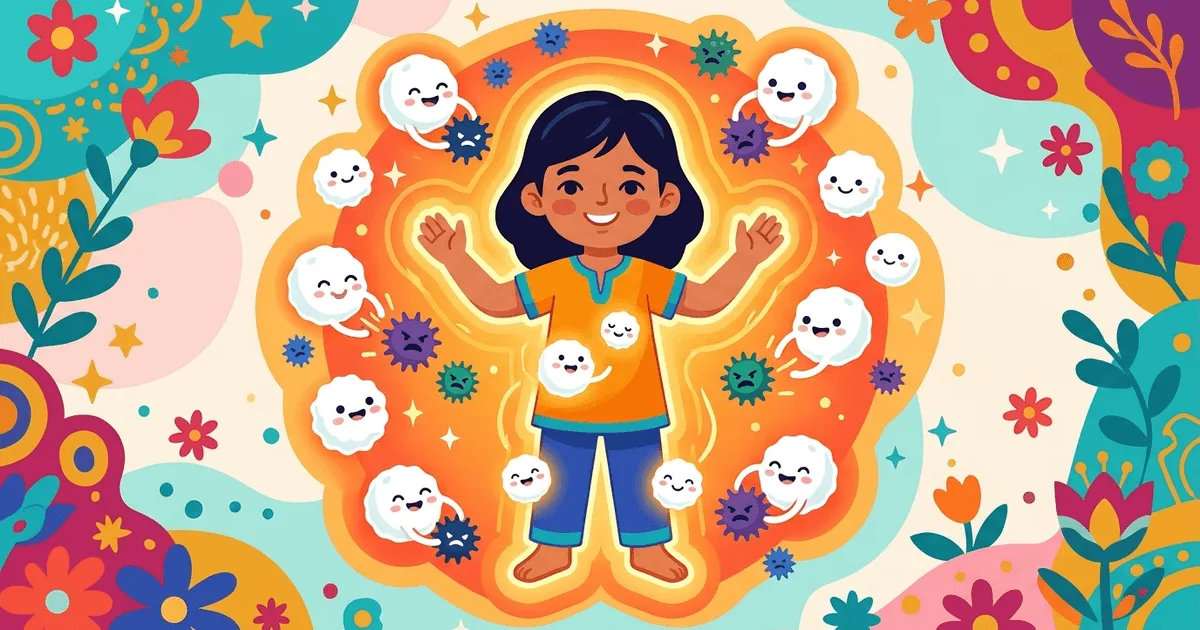
Sleep works like a nightly bath for your brain cells. Scientists believe sleep began hundreds of millions of years ago to clear out brain waste 1. Cleansing, including the removal of amyloid, may be a core purpose of sleep 1. Sleep also keeps your emotions steady every day. Evidence shows that sleep, especially REM sleep, supports emotional brain homeostasis 4. This process prepares your mind for social and emotional tasks the next morning 4. Without good sleep, emotional distress and mood problems rise 3. Sleep also protects you from sickness. Your immune system normally releases tiny compounds called cytokines 2. Cytokines help fight inflammation and infection 2. When you do not sleep enough, your body cannot protect you from illness 2. Resting helps your body fight germs, just like rest helps during a fever (why do we get fever body science) 2. Sleep cleans toxic waste from brain cells and guards your daily emotional balance.
What happens to our health when we skip sleep?
Skipping sleep hurts your focus today and harms your body over time. In the short term, sleep loss causes irritability and forgetting things 2. It can also trigger body aches like neck pain 2. Disrupted sleep brings higher stress responsivity, weak memory, and lower performance 3. Over time, sleep disruption causes deeper medical trouble 3. Long-term sleep disruption links to high blood pressure and irregular blood fats 3. It raises the risk of type 2 diabetes, metabolic syndrome, and cardiovascular disease 3. It is also tied to colorectal cancer 3. In men, chronic sleep disruption links to a higher risk of all-cause mortality 3. Missing sleep also impairs brain neuroplasticity, which is the brain's power to adapt 5. This harm can contribute to anxiety, mood disorders, and schizophrenia 5. Treating insomnia helps protect this vital brain power 5. Missing sleep harms your heart, weakens body metabolism, and damages long-term brain health.
What is new in 2026?
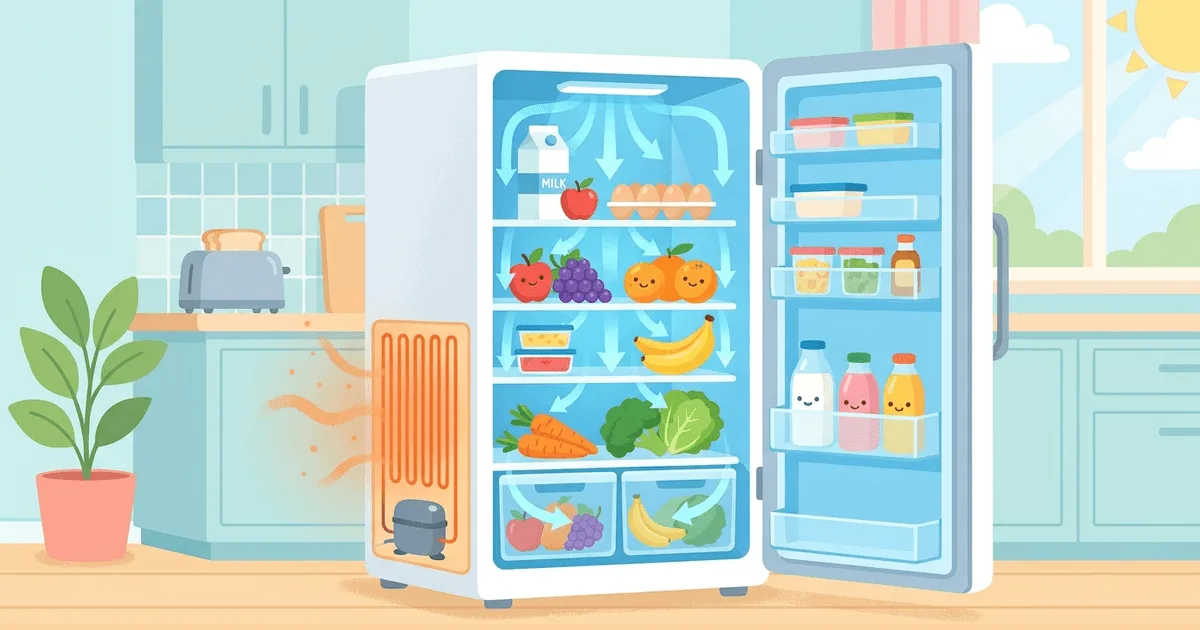
In November 2026, scientists shared exciting discoveries about how sleep cleans the brain 6, 9. Researchers at the Massachusetts Institute of Technology tested sound during deep sleep 6. Dr. Laura Lewis and her team delivered 50-millisecond pulses of pink noise to 14 healthy adults 6. They synchronized these sounds with the peaks of slow brain waves during deep sleep 6. This sound stimulation amplified waves of cerebrospinal fluid, the clear liquid around the brain 6. The study proved that acoustic stimulation can directly enhance sleep's function of flushing toxic metabolic debris from the brain 6. Also in November 2026, Sydney Bailes and Dr. Laura Lewis showed why sleep feels less restorative as people age 9. Rhythmic slow waves that drive fluid clearance weaken in older adults 9. This happens independently of total sleep duration 9. Just like cooling loops protect machines (how refrigerator works), deep sleep fluids clean brain tissue 6, 9. November 2026 studies prove sound pulses can boost nightly brain cleaning.
How can families in India build better daily sleep habits?
Everyday habits shape how well your body sleeps at night. Modern life surrounds us with artificial light that alters humanity's sleep patterns 1. Common sources of artificial light include outdoor lighting and screens of digital devices like smartphones and televisions 1. These screens emit large amounts of blue light, a form of light tied to daytime 1. Blue light disrupts the release of melatonin, the hormone needed to regulate the sleep cycle 1. Your internal circadian clock naturally promotes sleep daily at night when it is dark 1. Daytime rest also matters across warm regions. Many people in hot countries enjoy an early afternoon rest called a siesta 2. If you take a nap, keep it between 15 and 30 minutes 2. Naps of 30 to 60 minutes can make someone feel dazed, confused, and less focused 2. Longer naps can also make falling asleep at night harder 2. Dark nights and short afternoon naps protect your natural sleep rhythm.
Key takeaways
- Sleep rebuilds body tissues, refills cell energy, and releases growth hormones 1.
- A nightly fluid wash cleans toxic waste products like amyloid from your brain 1.
- REM sleep balances emotional brain circuits to prepare you for the next day 4.
- In November 2026, MIT scientists proved pink noise pulses boost brain waste clearing 6.
- Artificial blue light disrupts melatonin release, while short naps of 15 to 30 minutes restore alertness 1, 2.
Words to know
- ATP
- A molecule used for short-term storage and transport of energy in cells 1.
- Melatonin
- A hormone needed to regulate the sleep cycle when darkness arrives 1.
- Delta Waves
- Slow electrical brain waves that occur during deep sleep stages 1.
- REM Sleep
- A sleep stage marked by rapid eye movement, dreaming, and still muscles 1.
- Cytokines
- Compounds normally released by the immune system to fight inflammation and infection 2.
Frequently asked questions
Why do we feel irritable without sleep?
Sleep balances your emotional brain circuits 4. REM sleep prepares your mind for next-day social tasks 4. When you miss sleep, stress levels rise quickly 3. Sleep loss leads directly to irritability, an annoyed mood, memory lapses, and bodily pains like back aches 2, 3.
Why does screen light disturb sleep?
Digital devices like smartphones and televisions emit large amounts of blue light 1. This blue light is typically associated with daytime 1. Artificial blue light disrupts the release of the hormone melatonin 1. Melatonin is needed to regulate your sleep cycle, so this disruption alters natural sleeping patterns 1.
How long should an afternoon nap last?
A good afternoon nap should last between 15 and 30 minutes 2. If a nap lasts 30 to 60 minutes, it can make someone feel dazed, confused, and less focused 2. Longer naps can also make it much harder to fall asleep when night comes 2.
Can lack of sleep make you sick?
Yes, missing sleep leaves your body open to illness 2. The immune system normally releases compounds known as cytokines 2. These compounds help fight inflammation and infection 2. If a person does not get enough sleep, their body cannot protect them from illness 2. Sleep disruption also triggers proinflammatory responses 3.
Sources and how this was researched
Every fact above is linked to one of these sources. Numbers in boxes (like 1) point to the list below.
- Sleep. Wikipedia.
- Sleep. Simple English Wikipedia.
- Goran Medić, Micheline Wille, Michiel E. H. Hemels. Short- and long-term health consequences of sleep disruption. Nature and Science of Sleep (2017).
- Andrea N. Goldstein‐Piekarski, Matthew P. Walker. The Role of Sleep in Emotional Brain Function. Annual Review of Clinical Psychology (2014).
- Sleep, insomnia and mental health.. Journal of sleep research (2022).
- November 2026 – Closed-Loop Acoustic Enhancement of Brain Waste Clearance (MIT):** Researchers at the Massachu. mit.edu (2026).
- November 2026 – Discovery of Age-Related Breakdown in Nighttime Waste Removal (MIT):** A study led by Sydney B. mit.edu (2026).