Why Indian Journals Get Rejected by Scopus: The Formatting Mistakes That Sabotage Good Research
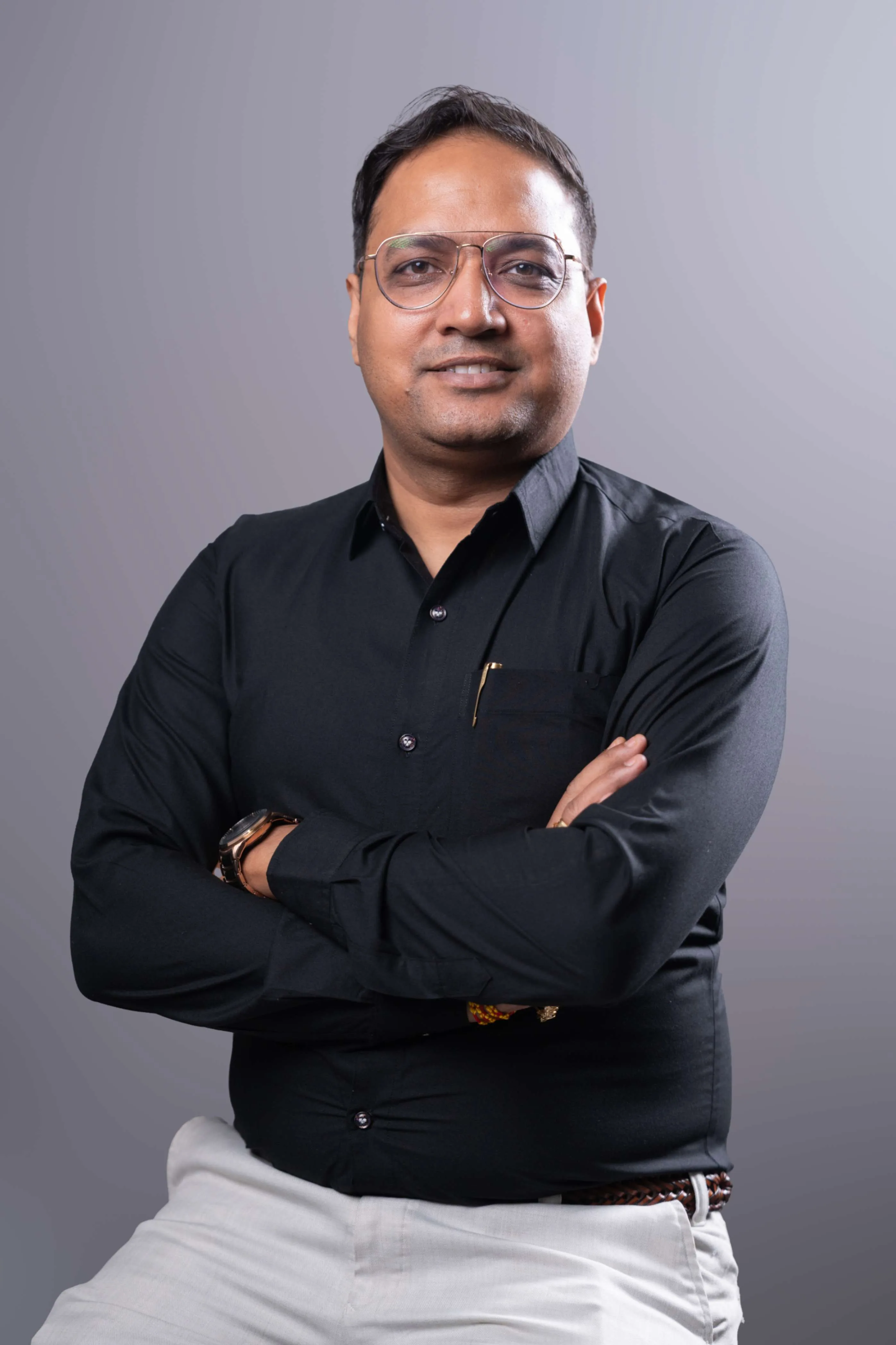
I remember the moment vividly. One of my brightest PhD scholars at Woxsen University, a woman with a truly novel methodology, had her paper desk-rejected from a Scopus-indexed journal. The feedback was brief and brutal: “Does not meet the basic formatting requirements of the journal.” Not a critique of the science, not a flaw in the data presentation, but a dismissal on grounds of presentation. This isn't a one-off story; it’s a recurring tragedy across Indian academia, and it’s a problem we can fix. As someone who has navigated the research trenches from my time at IIT Guwahati to now leading the School of Sciences at Woxsen, overseeing five departments and guiding over 500 students, I’ve seen this pattern too often. The core issue? A profound misunderstanding of what "formatting" truly means in the world of scholarly publishing.
The Problem: Formatting is Not Just Aesthetics, It's a Signal of Professionalism
When Indian authors, especially early-career researchers, think of formatting, they often picture making the paper look “neat.” They focus on margins, font size, and perhaps a tidy bibliography. While these are elements, the real formatting mistake lies in a deeper layer: a failure to interpret and meticulously adhere to a journal’s specific, often unspoken, standards of scholarly communication. This isn't just about following instructions; it's about understanding the journal's culture. Rejection based on formatting sends a clear signal to editors and reviewers: if the authors haven’t taken the time to respect our guidelines, can we trust them with the rigor of their scientific inquiry? The answer, more often than not, is no.
My Journey: From Nuclear Physics to Navigating Publication Pitfalls
My own journey began in the highly technical world of Nuclear Thermal Hydraulics and Computational Fluid Dynamics at IIT Guwahati. The focus there was on the precision of equations and simulations. But as I moved into leadership roles, first founding initiatives and then building academic departments, I saw the other side of the research coin. At Woxsen, we’ve built a robust research ecosystem, but we can’t shield our scholars from the global publishing gauntlet. I’ve also seen the communication challenge from a different angle through my work with the Care and Cure clinic, where clear, precise communication can be a matter of life and health. In publishing, while the stakes are different, the principle is identical: clarity, adherence to protocol, and attention to detail are non-negotiable. I’ve reviewed manuscripts, served on panels, and now, as Dean, I make it a point to demystify the publication process for our faculty and students. The most common barrier they face isn’t intellectual—it’s procedural.
The Solution: A Checklist of the Most Common, Correctable Errors
Let me break down the specific formatting failures that lead to rejection. These are not guesses; they are patterns I have observed repeatedly. Mastering these is the first step toward acceptance.
1. The Reference and Citation Anarchy: This is the number one killer. A journal specifies APA 7th edition, and a submission arrives with a mixed bag of Vancouver, MLA, and what looks like a personal invention. Or worse, the in-text citations don’t match the reference list. I’ve seen papers with 50 references where 12 were cited in the text but not listed, and 8 listed but never cited. This signals a lack of thoroughness. Use reference management software like Mendeley or Zotero, but never assume it’s a substitute for manual, final proofreading against the journal’s author guidelines.
2. Structural Misalignment: Many Indian journals and international ones follow a structured abstract format (Background, Methods, Results, Conclusion). Authors often submit a narrative abstract. Similarly, sections like “Keywords” (number, specificity), “Acknowledgements,” and “Funding” must be placed and formatted exactly as specified. I’ve seen brilliant research buried in a rambling, unstructured narrative that forces reviewers to work too hard. A well-structured paper respects the reviewer’s time and guides them seamlessly through the logic.
3. The Figure and Table Nightmare: Figures are submitted as low-resolution JPEGs embedded in the Word document instead of as separate high-quality TIFF or EPS files. Table footnotes are missing. The caption for Figure 3 says “Results as above,” which makes no sense when viewed separately. A Scopus-level journal expects publication-ready assets. This means vector graphics where possible, a minimum of 300 DPI for images, and tables built within the manuscript (not pasted as images). Every visual element must be self-explanatory.
4. Language and Plagiarism Oversights: While this is a separate issue, formatting intersects here. The specific English style (British vs. American) must be consistent. More critically, the formatting of the plagiarism report is often wrong. Many journals now require the report to be uploaded as a supplementary file, with a specific similarity index (often below 15-20%) and, importantly, with the bibliography and quotes excluded. Submitting a report with 30% similarity that includes the reference list is a sure path to rejection. Use tools like Urkund or iThenticate as intended.
5. The Manuscript Template Ignorance: This is the most straightforward yet most ignored. If a journal provides a LaTeX or Word template, use it. It’s not a suggestion. These templates pre-set columns, headings, bibliography styles, and spacing. By not using one, you force the editorial office to reformat your entire manuscript, which is an administrative burden they are not paid to undertake. It demonstrates a fundamental lack of preparedness.
Your Takeaway: Professionalism is in the Details
Good research from India is not lacking. We have the intellect, the data, and the stories to tell. What is often lacking is the final layer of professional packaging. View formatting not as a bureaucratic hurdle, but as an integral part of your research dissemination strategy. It is the handshake between your work and the global scientific community. Before you click “submit,” perform a ruthless audit. Use the journal’s own published papers as a style guide. Compare your reference list, section headings, figure quality, and abstract structure against the last article they published. Ask a colleague to be a “formatting critic.” The small investment of time to perfect these details will protect the immense investment you’ve made in your research. Let your work be judged on its scientific merit, not be dismissed for a failure to follow the rules of the road.
FREE TOOL FOR RESEARCHERS
ScholarFlow — Format Your Bibliography in Seconds
IEEE, APA, Nature, Elsevier, ACS — all 50+ journal formats. Automatic. Free trial. No credit card.
Try ScholarFlow Free →